A Guide to Shirakawago

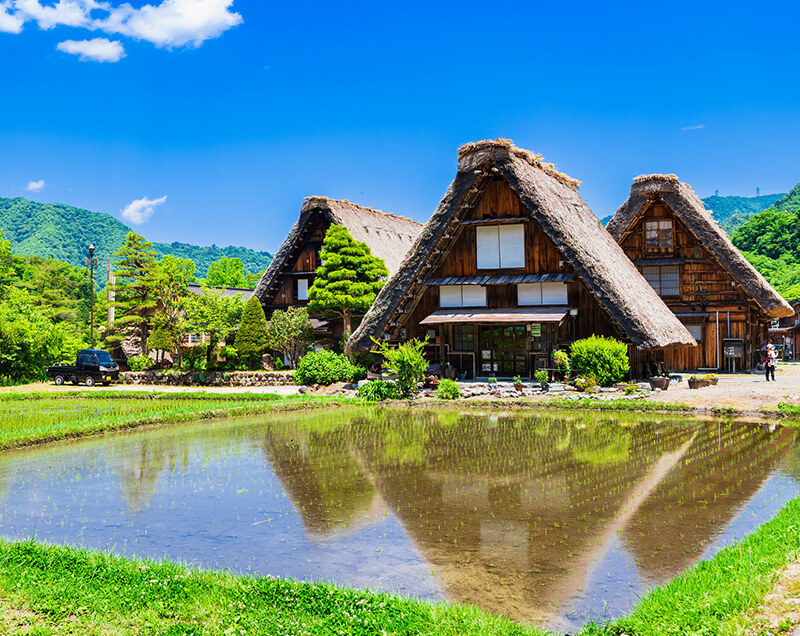
Shirakawago is one of the best places to visit in Japan, best known for its unique traditional houses called Gassho-zukuri. These homes feature iconic, steep thatched roofs designed to look like hands pressed together. The name “Gassho-zukuri” comes from the Japanese word “gassho,” referring to this traditional gesture of gratitude and respect.
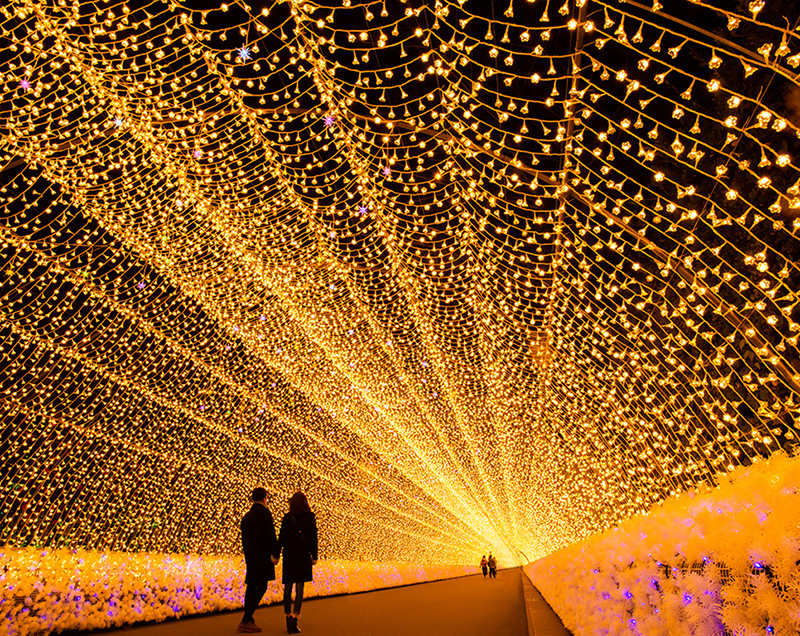
Every year, both international tourists and Japanese locals travel to Shirakawago to experience the atmosphere of authentic and traditional Japanese village life. While the most popular season is winter - especially during the famous annual Shirakawago Winter Light-Up event - it is a beautiful destination all year round. Spring brings delicate cherry blossoms, while summer offers a vibrant contrast of green paddy fields against blue skies. In autumn, the village is transformed by colorful falling leaves and blooming cosmos.
Menu
How to Get to Shirakawago

Discover the best ways to reach this historic village and all the top things to do in Shirakawago.
Shirakawago is located in the mountainous area of northwestern Gifu prefecture, Japan.
There are several transportation options available to visit Shirakawago.
1. Getting to Shirakawago by Bus
While reaching Shirakawago by car or train can be challenging, our bus booking website offers several convenient bus routes to the destination. You can skip the stress of driving on icy roads and the hassle of frequent train transfers. Our bus service provides a seamless, direct connection to Shirakawago, allowing you to relax and enjoy the view.
Bus from Nagoya to Shirakawago
Bus from Kanazawa to Shirakawago
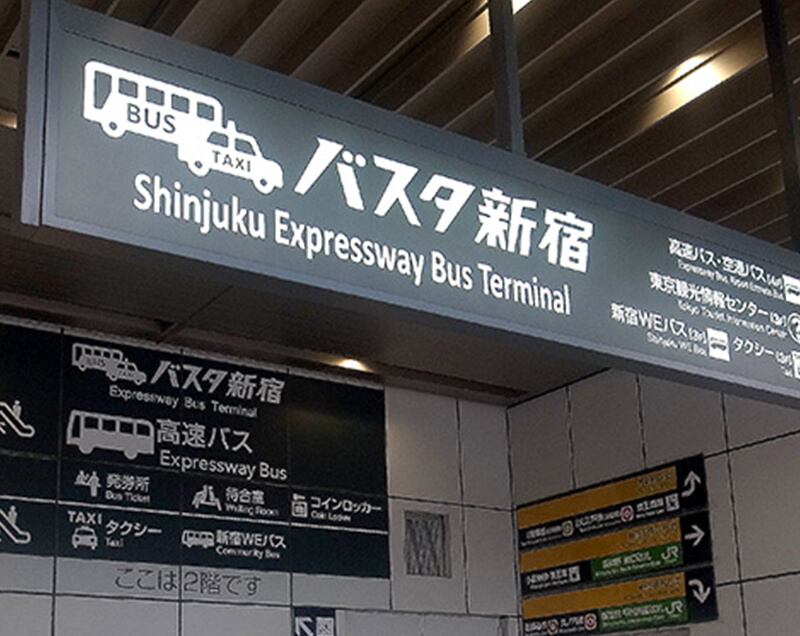
If you are travelling from Kanazawa or Nagoya, you can take a direct bus straight to Shirakawago. For those visiting from Osaka or Tokyo, the bus will take you to the Takayama Nohi Bus Center, conveniently located right in front of Takayama Station. From there, you can easily transfer to a local Nohi bus to reach Shirakawago.
WILLER offers the best selection of highway bus options to suit your journey. Please keep in mind that buses can fill up quickly, so we highly recommend booking your seat in advance.
2. Getting to Shirakawago by car
If you have your own car or plan to rent one in Japan, driving to Shirakawago might be an option. This choice offers the flexibility to explore nearby popular spots at your own pace, such as Gero Onsen or the Okuhida Hot Spring Village, where the Shinhotaka Ropeway offers amazing views.
| Tokyo to Shirakawago | Approx. 5 hours by car |
| Osaka to Shirakawago | Approx. 4 hours by car |
| Nagoya to Shirakawago | Approx. 2 hours by car |
| Kanazawa to Shirakawago | Approx. 1 hours by car |
While driving offers flexibility, winter driving requires extreme caution due to heavy snow and mountain roads. If you plan to drive, please keep the following in mind:
* Winter Tires or Chains are Mandatory
As Shirakawago is a heavy snowfall area, snow tires or chains are strictly required during the winter season.
* Parking Reservation Required (Shirakawago Winter Light-up Event)
During the Shirakawago Winter Light-up Event, private cars without a prior parking reservation are not allowed to enter the area.
3. Getting to Shirakawago by Train
If you are visiting Shirakawago from Tokyo or Osaka and want to experience a shinkansen ride, this route is the ideal choice for you. Please note that it requires several transfers before reaching Shirakawago.
There are two common rail routes from Tokyo to Shirakawago.
Option 1: Hokuriku Shinkansen Route
| Tokyo to Toyama | Approx. 2 hours via Hokuriku Shinkansen (Kagayaki) |
| Toyama to Takayama | Approx. 1.5 hour via JR Limited Express Hida |
| Takayama to Shirakawago | Approx. 1 hour via Nohi Bus |
Option 2: Tokaido Shinkansen Route
| Tokyo to Nagoya | Approx. 1.5 hour via Tokaido Shinkansen (Nozomi) |
| Nagoya to Takayama | Approx. 2.5 hours via JR Limited Express Hida |
| Takayama to Shirakawago | Approx. 1 hour via Nohi Bus |
Here is the common rail route from Osaka to Shirakawago
| Osaka to Nagoya | Approx. 50 minutes via Tokaido Shinansen (Nozomi) |
| Nagoya to Takayama | Approx. 2.5 hours via JR Limited Express Hida |
| Takayama to Shirakawago | Approx. 1 hour via Nohi Bus |
4. Transportation Summary
Comparison of Transportation Options from Tokyo or Osaka to Shirakawago
| Transportation | Place of Departure | Estimated Travel Time | Estimated Price |
|---|---|---|---|
| Car | Tokyo | 5 hours | 11,200 JPY *Only including highway fees |
| Osaka | 4 hours | 8,950 JPY *Only including highway fees |
|
| Train+Bus | Tokyo | 5 hours | 19,760 JPY |
| Osaka | 4 hours | 15,580 JPY | |
| Train+Highway Bus | Tokyo | 4.5 hours | 16,200 JPY |
| Osaka | 3.5 hours | 11,580 JPY | |
| Highway Bus | Tokyo | 7 hours | 10,600 JPY |
| Osaka | 6.5 hours | 9,600 JPY |
*Please note that ticket prices may vary during peak travel seasons.
*Estimated car travel costs do not include fuel, rental fees, or parking charges.
Best Things to Do in Shirakawago
Shirakawago was registered as a UNESCO World Heritage site in 1995.
If you are looking to experience the heart of traditional Japan, this village is a must-visit.
Here are our top 5 recommendations for things to do in Shirakawago.
1. Wada House

The Wada House is the largest Gassho-zukuri farmhouse in Shirakawago and it is uniquely recognized as a National Important Cultural Property. While it remains a private residence where the family still lives today, parts of the home are open to the public as a museum.
2. Shiroyama Tenshukaku Observatory

Shiroyama Tenshukaku Observatory is a must-see spot for the best panoramic views of Shirakawago. The walk up to the observatory takes approximately 20 minutes from the heart of the village. Please use extra caution during the winter, as the road can become quite icy and slippery.
3. Deai Bridge

The Deai Bridge serves as the main entrance to the village, connecting the main parking area to the museum zone. As you walk across the bridge, you can enjoy the calm, clear waters of the Sho River, which is said to be the origin of the name “Shirakawa (White River)”.
4. Shirakawa Hachimangu Shrine

Shirakawa Hachimangu Shrine is located within Ogimachi Village.
Between late September and October, the Doburoku Festival is held to pray for rich harvest, family safety, and local peace. During the festival, doburoku (unfiltered local sake) is ceremonially served to visitors.
The shrine is also famous as a popular anime pilgrimage site.
As the shrine featured in the series is exactly modeled after Shirakawa Hachimangu Shrine, many fans visit the area to experience this real-life inspiration.
5. Enjoy The Local Food in Shirakawago

One of the best things to do in Shirakawago is to enjoy a “food crawl” of the local specialities. While walking around Ogimachi Village, you will find numerous shops offering Japanese snacks such as Hida Beef Sushi and Hida Beef Croquettes. You can also try Shirakawago Churros and pudding. For a unique taste of sake, don’t miss Doburoku, a traditional Japanese rice wine made by fermenting rice, water, and koji mold.
While Shirakawago consists of several Gassho-zukuri villages, Ogimachi is the largest and most famous. However, the other villages also offer their own unique atmospheres. If you would like to explore and compare these distinct areas, we offer our original World Heritage bus tour. Click the link below to find out more.
Shirakawago World Heritage Bus Pass
If you are planning to visit during the Shirakawago Winter Light-up event, we offer an annual event tour as well. We highly recommend booking your tour in advance, as this popular event sells out quickly for both local and international tourists.
Summary: Plan Your Trip to Shirakawago

Shirakawago offers authentic and traditional Japanese scenery all year round. Although Shirakawago’s location is somewhat remote, the journey is well worth it for those seeking a true taste of Japanese culture. To ensure a smooth journey, we strongly suggest taking our direct bus from Nagoya or Kanazawa for easy access. We hope this guide helps you plan your trip. Have a wonderful time in Shirakawago!